
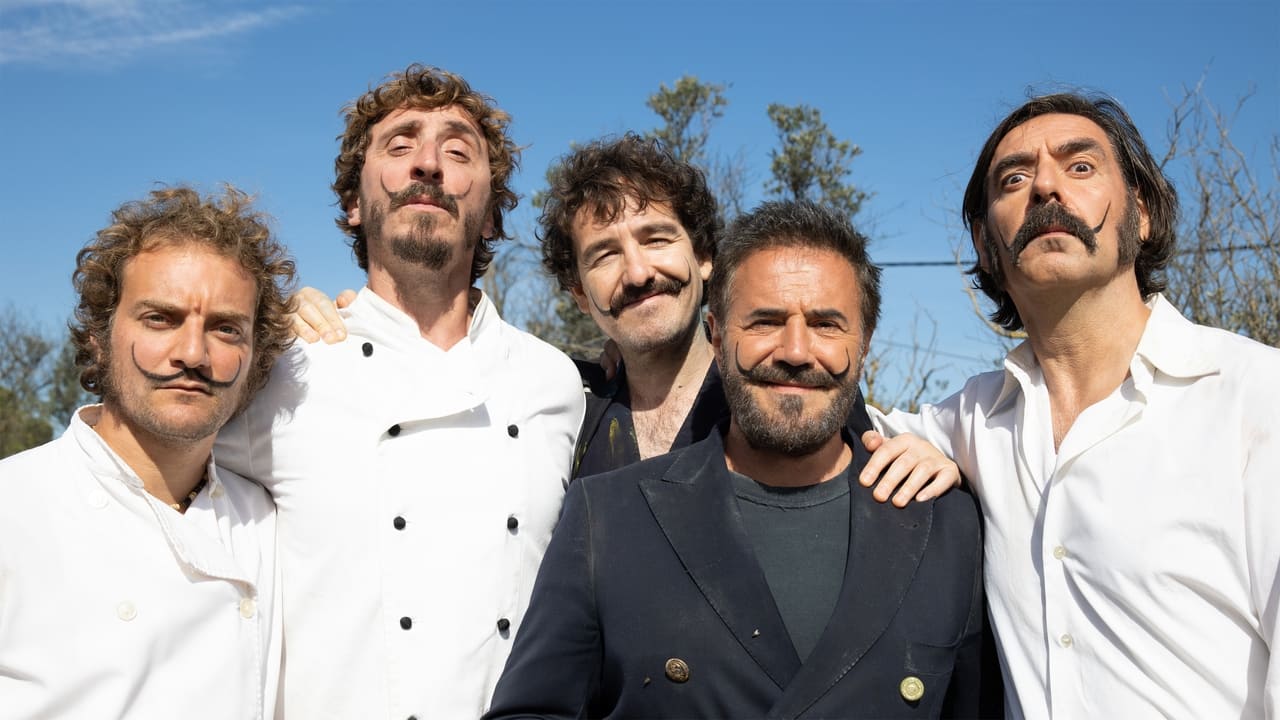
Waiting for DaliFilm
6.7/10 • 2023 • 114m • HD
In 1979s Spain, Fernando, a talented chef, arrives in the village of Cadaqués , residence of the internationally renowned surrealist artist Salvador Dalí. The paths of the chef and the artist will cross and result in the birth of a new culinary genius.
CineHDPlus: films in Spanish from Waiting for Dali, ¡Asu Mare! and Common Ground to Abel, Lemon and Poppy Seed Cake and The Waiting List, and where to watch them
153 Spanish-language films, 1986 to 2026, chosen for the whole household.
Films recommended
View all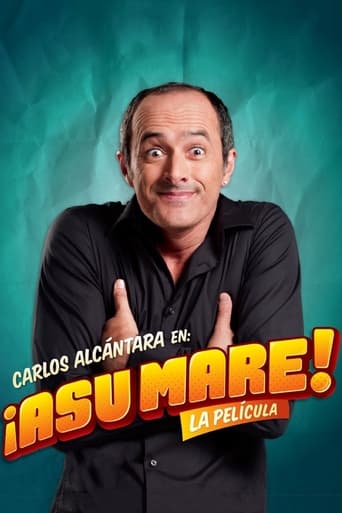 HD★ 6.7
 HD★ 7.4
 HD★ 6.5
 HD★ 6.8
 HD★ 7.8
 HD★ 6.8
 HD★ 6.8
 HD★ 6.5
 HD★ 7.3
 HD★ 6.5
 HD★ 8.0
 HD★ 7.3
 HD★ 7.1
 HD★ 8.7
 HD★ 7.0
 HD★ 6.6
 HD★ 6.4
 HD★ 7.8
 HD★ 7.8
 HD★ 8.2
 HD★ 6.6
 HD★ 7.1
The CineHDPlus guide
CineHDPlus: films in Spanish from Waiting for Dali, ¡Asu Mare! and Common Ground to Abel, Lemon and Poppy Seed Cake and The Waiting List
Spanish is the first language of some five hundred million people in more than twenty countries, and each of those countries makes films. A handful reach the festivals and the awards ceremonies. Far more are made for the audience at home: the comedy that half of Peru went to see, the Argentine story of a retired professor and his wife starting again in the hills, the Mexican film in which a small boy decides to be the man of the house. CineHDPlus is a guide to 153 such films, made in Spanish between 1986 and 2026. Each has its own page, its story, its director and cast, and a Watch now button that leads to the official services carrying it in your country.
The catalogue has been chosen for the whole household. Every summary was read by hand, and the selection favours comedy, family stories, romance and the gentler dramas. Crime films, horror, political thrillers, stand-up specials, concert recordings and comedy made strictly for adults were left out. What remains is a wide map: forty-eight films from Argentina, Uruguay and Paraguay, forty from Mexico, thirty-eight from Spain, and forty-five from Colombia, Peru, Chile, Ecuador, Venezuela, Cuba, the Dominican Republic, Puerto Rico and Costa Rica, with some made jointly by two countries.
This tour is written in English for viewers anywhere. It starts with the shape of the catalogue and three films for a first evening, then travels country by country, and ends with the practical matters of subtitles, search and My List. Each title mentioned opens its own page.
What CineHDPlus offers
CineHDPlus is a viewing guide. Each of its 153 film pages carries a poster, a still where one exists, the story in a paragraph, the year, the running time, the director, the principal cast, and the Spanish title beside the English one. Beneath them sits one button, Watch now, which opens JustWatch for the country you select and shows the subscription, rental, purchase and free services that carry the film there. The guide itself holds pages of information, and the playing of every film happens on those official services.
By kind, 103 of the films are comedies or carry comedy within them, eighty-six are dramas, and thirty-six are romances; many are two of these at once. Sixty-eight turn on family life, forty-eight involve a journey, twenty-six have music, dance or poetry at their heart, and fifteen concern sport, most often football. By year, fifteen films date from 1986 to 1999, twenty-two from the first decade of this century, thirty-five from 2010 to 2017, twenty-eight from 2018 to 2021, and fifty-three from 2022 onwards.
The home page follows the plan of a film index. A wide picture introduces a featured film with its rating out of ten, its year and its length. A row of six posters shows the most popular titles. Below, a main column presents films from Argentina and the River Plate, from Mexico, from Spain, and from the Andes and the Caribbean, while a side panel lists the ten top rated films and every list in the guide.
A first evening
Three films make good first choices, one from each of the largest film-making countries in the language. From Spain comes Waiting for Dali, made in 2023. It is 1974, and two brothers from Barcelona, one a gifted chef, arrive in the fishing village of Cadaqués, where the painter Salvador Dalí lives. The owner of a beach restaurant, a devoted admirer of the artist, has one ambition: that Dalí should come to dinner. The chef begins to cook as the painter paints, with surprise and play, and the film becomes a sunny fable about the birth of a new kind of cuisine on the Catalan coast. The food is photographed with as much love as the sea.
From Argentina comes Common Ground, directed by Adolfo Aristarain in 2002. Fernando, a professor of literature in Buenos Aires, played by Federico Luppi, is retired by his university against his will, at a time when the country's economy is in turmoil. He and his Spanish wife Liliana, played by Mercedes Sampietro, sell their flat and buy a small lavender farm in the hills of Córdoba. The film is a portrait of a long and happy marriage, of a father's letters to his son in Madrid, and of two people deciding how to live well with less. Sampietro won the best actress prize at the San Sebastián festival.
From Mexico comes Abel, from 2010, the first feature directed by the actor Diego Luna. Abel is nine and has stopped speaking. When he comes home to his mother, sister and little brother, he begins to talk again, but as the head of the family: he checks homework, signs school reports and sits at the top of the table, and the household, glad to have him back, plays along. Then the father returns. The film is tender, funny and exactly judged, and the boy who plays Abel is astonishing.
Any one of the three shows what the catalogue is for. Each also leads onward: Cadaqués to the Mallorca of Lemon and Poppy Seed Cake, the hills of Córdoba to the long Argentine roads of Road to La Paz, and Abel's kitchen table to the families of Walking Distance and Blue Eyelids.
Argentina and the River Plate
Forty-eight films come from Argentina, Uruguay and Paraguay, and the Argentina guide sets them out. Argentine cinema is a cinema of talk, of friendship and of the city of Buenos Aires, and Sidewalls, from 2006, is a love letter to all three. Mariana and Martín live in neighbouring blocks of flats, share the same solitude and the same shop windows, and pass each other daily as strangers. The film reflects, with wit, on how the architecture of a great city keeps people apart and how a small window knocked through a blank side wall can let the light in.
The Puzzle, from 2010, is a quiet triumph. María del Carmen, a housewife in the suburbs, is given a jigsaw for her fiftieth birthday and discovers that she has a rare gift for it. She answers an advertisement placed by a wealthy bachelor seeking a partner for the national championship, and begins, a little guiltily, to have a life of her own. María Onetto's performance is one of the best in recent Argentine film. Inheritance, from 2002, is set in a neighbourhood restaurant run by an Italian woman of sixty who takes in a young German looking for a lost love. The Lunchroom is about two cleaners in a government building who run an informal canteen, and what promotion does to a friendship of thirty years.
The road film is an Argentine speciality, since the country is vast and its landscapes change at every province. Road to La Paz, from 2015, puts Sebastián, an unemployed young man with an old Peugeot, at the wheel for an elderly passenger, Jalil, who wishes to be driven three thousand kilometres to Bolivia. The Road to San Diego, made by Carlos Sorin in 2006, follows a young woodcutter from the forests of Misiones who has found a tree root in the shape of his hero, the footballer Diego Maradona, and sets out to deliver it. Our Way To The Sea sends a father of seventy-five and his son by motorcycle to see the ocean, played by a real father and son. In The Last Train, three old railwaymen, played by Héctor Alterio, Federico Luppi and Pepe Soriano, take a historic steam locomotive out for a final run across Uruguay.
The comedies are sharp. The Tangalanga Method, from 2023, imagines the origin of a much-loved radio prankster: a shy office worker is hypnotised and finds that, on the telephone, he becomes somebody fearless. Mazel Tov, with Adrián Suar, gathers a family for a wedding and a bat mitzvah in the same week. All Inclusive takes a couple to a Brazilian resort the day after he has lost his job and failed to mention it. The Film Critic gives a reviewer who despises romantic comedies a romantic comedy of his own to live through. Darling, I Am Going Out for Cigarettes and I Will Be Right Back offers a dull man the chance to live his youth again, and The Man Who Loved UFOs, with Leonardo Sbaraglia, recalls a television reporter of the 1980s who went looking for visitors from space in the hills of Córdoba.
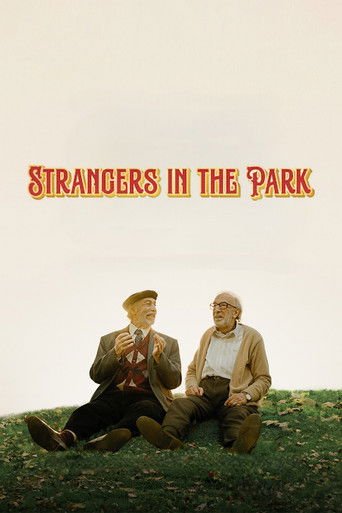
Older favourites are here too. Wind with the Gone, from 1998, strands a young taxi driver in a Patagonian village whose only link with the world is a cinema that shows its reels in the wrong order. The Magic Gloves is a deadpan comedy of Buenos Aires in the early 2000s, and The Paranoids a comedy of two friends, one anxious and one successful. Most recent of all, Strangers in the Park, directed by Juan José Campanella in 2026, sets two old men, played by Luis Brandoni and Eduardo Blanco, talking on a bench in Parque Lezama. From Paraguay comes Orsai, a family comedy about three brothers devoted to their football club.
Mexico
Forty films come from Mexico, and the Mexico guide lists them. Beside Abel stand several small films of great charm. Blue Eyelids, from 2007, begins when Marina, a shy employee of a uniform factory, wins a holiday for two at a beach resort and realises that she has nobody to take; she invites Víctor, a man she has only just met, and the two of them try, awkwardly and touchingly, to become a couple before the trip. Walking Distance, from 2015, is about Fede, a very large man who rarely leaves his flat, and the camera shop assistant and the brother-in-law who become his friends once he discovers photography. Warehoused sets an employee on the eve of retirement and his young replacement in an enormous empty warehouse for five working days.
El bulto, from 1992, has a marvellous premise: Lauro wakes from a coma of twenty years to find that the Mexico of 1971 has gone, that his children are grown, and that the ideas he once marched for sound to his family like ancient history. The director, Gabriel Retes, plays the part himself. To the Other Side tells three stories of children whose fathers have gone abroad to work, in Mexico, Cuba and Morocco. Mara'akame's Dream follows a Wixárika boy whose father wishes him to become a shaman and who dreams of playing in a band in Mexico City.
María Elena Velasco, known across Latin America as La India María, wrote, directed and starred in comedies about a resourceful village woman loose in the modern world. Three are here: Ni de aquí, ni de allá, in which she goes north to work, The Delights of Power, in which she must stand in for a twin sister running for office, and The daughter of Moctezuma, her last, a fantasy adventure in search of a magic mirror.
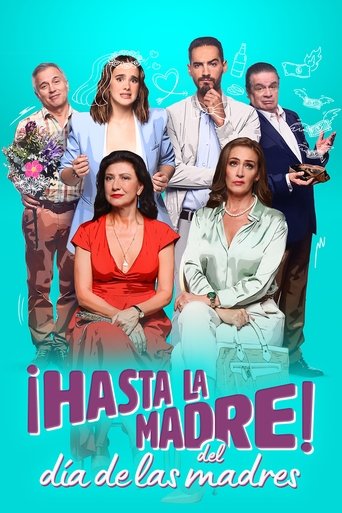
Recent Mexican comedy is bright and broad. Me casé con un idiota is about an actress who marries her co-star and then realises that she fell in love with the part he played. Mother's Day Is Cancelled and its sequel Christmas Is Cancelled bring two very different families together around one newly married couple. Tequila Re-Pasado sends a workaholic back in time by means of an enchanted bottle, each trip producing another copy of himself. Switched Up and Exchanged are comedies of people who wake in one another's bodies, and Reinvented Mom is about a widow who moves in with her daughter and discovers how much there is still to do. La posada, Atrapadas en familia and Casando a mi Ex are family comedies of weddings and holidays; Soy tu fan: La película continues a popular television romance ten years on; and Home Office: Un especial de Mirreyes contra Godínez finds the staff of a shoe company working from their kitchens.
Spain
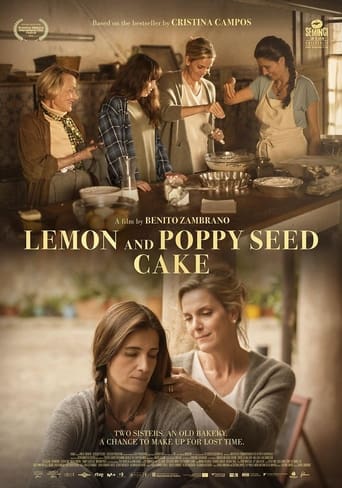
Thirty-eight films come from Spain, and the Spain guide introduces them. Lemon and Poppy Seed Cake, directed by Benito Zambrano in 2021 from Cristina Campos's novel, is set on the island of Mallorca. Two sisters, parted in their teens, meet again when they inherit a bakery in a mountain village from a woman neither of them remembers. One has travelled the world as a doctor; the other has hardly left the island. Working out why the bakery came to them, and baking the cake of the title, they recover the years they lost.
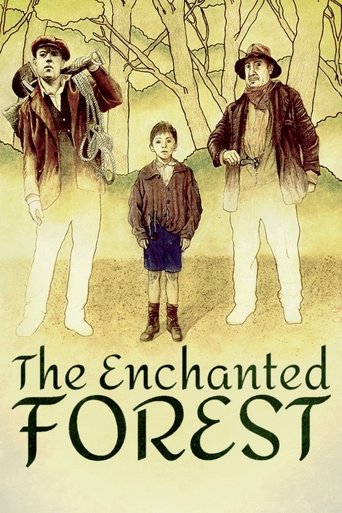
The Enchanted Forest, made by José Luis Cuerda in 1987, is one of the most loved Spanish films. In a wooded corner of Galicia live a well-digger with a limp, a girl he admires, a wandering soul in search of company, two elderly ladies from Madrid, and Fendetestas, a labourer who has decided to become a bandit and is far too soft-hearted for the trade. Alfredo Landa plays him, and the film won five Goya awards. Family, from 1996, the first film by Fernando León de Aranoa, opens on a man's birthday breakfast with his wife, mother, children and brother, and then reveals something unexpected about who these people are. Don Quixote, Knight Errant, from 2002, films the second part of the novel, with Juan Luis Galiardo as the knight grown famous.
The newer films are varied. Ramona, from 2022, shot in black and white, follows a young actress in Madrid who pours out her life story to a stranger in a bar the day before an audition and then finds him behind the casting table. The Cover is set in Benidorm among the singers who perform other people's hits, and asks what it means to have a voice of one's own. Un año y un día gives a young man one year to learn the piano. Glimmers, by Pilar Palomero, is a delicate drama in which a woman agrees, at her daughter's request, to visit her former husband regularly. Window to the Sea takes a woman from Bilbao to a small Greek island. An Island Away From You is a romantic comedy in the Canary Islands, and The Three Wise Men: The Truth a mock documentary in which the kings of the Epiphany parade open their palace to a film crew.
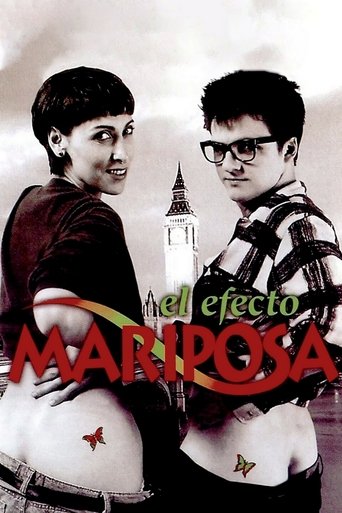
History is represented by Clara Campoamor, the Neglected Woman, a television film about the lawyer and deputy who argued in the parliament of 1931 that Spanish women should have the vote, and won. The Butterfly Effect, Fernando Colomo's comedy of 1995, sends a Spanish student to London. Chrysalis interweaves the lives of three women in three decades, and The Furies gathers a family, with José Sacristán and Emma Suárez, at the summer house they are about to sell.
The Andes and the Caribbean
Forty-five films come from the rest of the continent, and the Andes and Caribbean guide maps them. Peru's great popular success is ¡Asu Mare!, from 2013, in which the comedian Carlos Alcántara tells the story of his own childhood in a Lima housing estate and of the mother who raised him; it broke every box-office record in the country, and its third part, ¡Asu Mare! 3, is also here. A World For Julius, from Alfredo Bryce Echenique's celebrated novel, sees the Lima of the 1940s through the eyes of a small boy in a great house, who is fonder of the servants than of his own relations. Guerrero: The Movie is the boyhood of the footballer Paolo Guerrero. Sí, Mi Amor, Recontraloca, Isla bonita and My Worst Enemy are Peruvian comedies of couples and old friends.
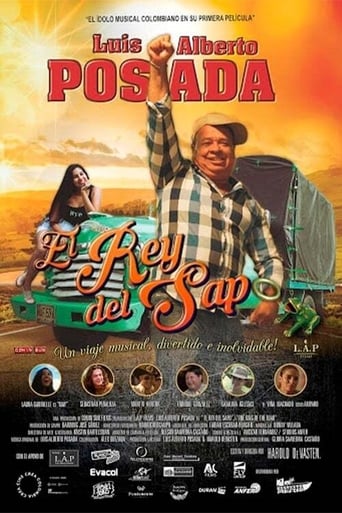
Colombia's holiday comedies are a tradition: the Paseo films, of which The Trip 2, The Trip 4 and The Trip 7 are here, send a different family on an outing that goes cheerfully wrong each time. Gente de bien, by contrast, is a small and truthful drama about a ten-year-old sent to live with a father he hardly knows, and the well-off woman who tries to help. The Maximum Penalty is a comedy about a clerk who will do anything to attend a football match, The King of the Toad is set around the traditional game of sapo, and Dear Gentlemen tells of Esmeralda Arboleda and the campaign for women's suffrage in 1954.
From Ecuador come two films by Tania Hermida: How Much Further, in which a student and a Spanish tourist hitchhike across the country during a strike, and In the Name of the Daughter, about a girl of nine whose name is disputed between her parents and her grandmother. From Chile come Burning Patience, Antonio Skármeta's story of a young postman who learns about poetry from Pablo Neruda, and Thursday Till Sunday, a family car journey seen from the back seat. Cuba supplies The Waiting List, a comedy in which the passengers stuck at a rural bus station decide to make the best of it together, and Nada más, about a post-office clerk who rewrites other people's letters. Bolivia, Venezuela, Costa Rica, the Dominican Republic and Puerto Rico each contribute as well, among them The Day Silence Died, Salserin, the First Time, Maikol Yordan de Viaje Perdido and Los Domirriqueños.
Comedy
A hundred and three films have comedy in them, and the comedy guide points to the lightest. Spanish-language comedy loves a magical premise taken perfectly seriously. In If I Were You, a rare alignment of the planets leaves a husband and wife of fifteen years in each other's bodies, and each discovers what the other's day is really like. In Exchanged, a small boy wishes on a meteor shower that his loving nanny were his mother, and wakes to find that she and his busy mother have changed places. In Switched Up, an entire family is shuffled. Quiero tu vida lets a retired footballer see the life he would have had if one injury had gone differently, and Message in a Bottle, from Argentina, gives a sommelier a way to send notes to her younger self, each of which changes more than she intended.
Other comedies stay closer to home. Me casé con un idiota, Sí, Mi Amor and Girl Meets Boy are about couples. El novio de mamá gives a cheerful travel agent the hardest task of his life, winning over the two children of the woman he loves. Soltera, casada, viuda, divorciada 2 sends four friends on a snowy holiday. Come Into My Life follows a woman who reinvents herself on social media, My Otaku Girlfriend a comic-book artist in Caracas, and Loco por vos two colleagues at a Bogotá agency. Juanpis González: The People's President is a satire about a spoiled heir who talks his way into the highest office, and Lotoman 003 turns two Dominican lottery winners into secret agents.
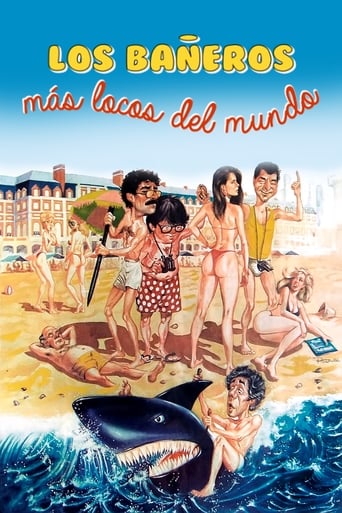
The older comedies have their own flavour. Part-Time Lifeguards, from 1987, belongs to a hugely popular Argentine series about four bumbling policemen, this time on holiday at the seaside. The Ambassador of India, from 1986, is a Colombian classic in which a smooth-talking provincial is taken by a whole town for a visiting diplomat. Too Afraid of Life or Splat, from Cuba, wraps a middle-aged romance around the mystery of who is throwing eggs at a block of flats, and The Sentimental Teaser, from Chile, is built from the love stories that listeners telephone in to a radio programme.
Drama
Eighty-six films are dramas, and the drama guide lists them. The best are modest in scale and exact in feeling. The Retirement, with Luis Brandoni, is about a widowed doctor whose daughter moves back in for a few days, bringing old arguments with her. The Siamese Bond sends a mother and daughter on a bus journey to the coast to look at two flats they have inherited. The Simple Things, from Chile, concerns a civil servant caring for her mother who meets an old man with a lost memory. The Reconstruction follows a solitary oil worker called to Ushuaia by an old friend, and Wiped-Out Footprints returns a writer from Argentina to the Spanish village of his childhood, which is about to be flooded for a reservoir.
Several dramas look at childhood. A Flower in the Mud is about a supply teacher who discovers a gifted seven-year-old in a poor school on the edge of Buenos Aires. Rita is seven in the summer of 1984, when all her father can think about is the football on television. Alemania follows a girl of sixteen offered a term abroad. Andrea's Love is set in Cádiz, where a girl of fifteen looks after her brothers and wishes to know her father better. El balón de oro is the friendship of two boys who live for football, and Looking for you sees an uncle's attempt to form an orchestra through the eyes of a five-year-old.
Others consider work and belonging. Here and There, which won the top prize of the Critics' Week at Cannes in 2012, shows a man returning to his mountain village in Guerrero after years of labour in the United States, hoping to start a band and to know his daughters again. Marionette strands a Cuban actor in Mexico City. Un parcero en Nueva York takes a Colombian builder north in search of the American dream. Human Resources, The Broken Glass Theory and De acá a la China, in which a man travels to the far side of the world to open a shop, find comedy and drama in the working day.
Romance
Thirty-six films are love stories, and the romance guide gathers them. Beside Sidewalls and Blue Eyelids, the most admired is perhaps Burning Patience, in which Mario, a fisherman's son on the Chilean coast, takes a job delivering the post to a single address, the house of the poet Pablo Neruda, and borrows a little of the great man's language to win the heart of Beatriz. The same novel was the source of the Italian film The Postman.
The lighter romances travel widely. A Movie Love is a romantic comedy about two people who met while making one. Meaningless love pairs an idle film editor with a brilliant blind cellist. Twisting the Aces is set among the magicians of Buenos Aires. Face Love keeps a relationship going between Madrid and the other side of the ocean on patchy wireless and the help of friends. Firma Aquí imagines a near future in which love comes with a four-year contract. Sugar Times, from 2001, follows a boy from a family of pastry cooks and the girl next door through thirty years, and The Wedding is a comedy about a hairdresser who agrees to marry a client's son.
Family stories
Sixty-eight films turn on family life, and the family guide picks out the most rewarding. The Spanish-speaking world takes its families seriously and laughs at them fondly, and both attitudes are on show. Parallel Courses is a Mexican drama about two mothers who learn, when one boy needs a transplant, that their sons were exchanged in the hospital. The Stepmother's Bond asks what a woman owes, and is owed, when the child she has raised is her partner's and the couple part. Glimmers and The Furies gather grown children around ageing parents. A Mexican film of 2023, also called Familia, sets a father and his daughters at a long lunch on the olive farm he is thinking of selling.
The comedies are more forgiving. Reinvented Mom, El novio de mamá and Atrapadas en familia have already been mentioned. The Trip 4 and its companions show the Colombian family at play. Maikol Yordan de Viaje Perdido, the most successful film ever made in Costa Rica, sends a good-natured farmer to Europe to save the family land. Orsai and Los Domirriqueños are about neighbourhoods that behave like families, the first around a football club in Asunción and the second around a basketball court shared by Dominicans and Puerto Ricans.
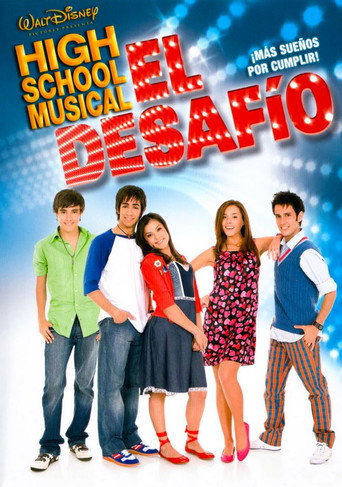
For younger viewers, the gentlest choices are Viva High School Musical: Mexico, a local version of the school musical with songs in Spanish; Einstein-Rosen, a short Spanish comedy about two brothers in the summer of 1982, one of whom says he has found a wormhole; Treasure Hunter, an adventure in search of a relic of Columbus; and Christmas, Inc., a Mexican fantasy in which Santa Claus must save the season.
Sport
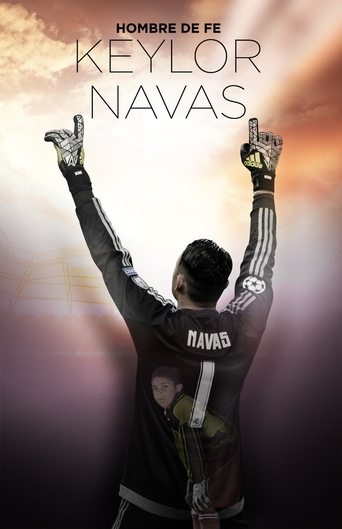
Fifteen films are about the love of a game, and the sport guide lists them. Football is a language shared by every country in this catalogue. The Road to San Diego is a pilgrimage to a footballer. Easy Ball is about a Buenos Aires taxi driver whose whole emotional life is his club, San Lorenzo, until a passenger and her son change the subject. Today Match at 3 waits with a women's team, Las Indomables, for a neighbourhood tournament to begin. Eleven Males pits eleven Peruvian friends against a professional side. Buscando a Marcos Ramírez follows a country boy from Costa Rica who dreams of turning professional, and Keylor Navas, Hombre de Fe tells the story of the goalkeeper who did. Outside football there are V for Victor, about a retired boxer's return, and the puzzle championship and the sapo tournament already described.
Journeys
Forty-eight films involve a journey, and the journeys guide sorts them by distance. Some are holidays: besides the Paseo films there are Isla bonita, in which three friends head for Iquitos on the Amazon, and Enchufe sin visa, an Ecuadorian comedy about six travellers to the United States. Some are returns: Ana and the Others takes a young woman back from Buenos Aires to the city where she grew up, and Charlotte, with Ángela Molina, sends a forgotten film star across the border into Paraguay in pursuit of one last part. And some are searches, such as Diary of an Unexpected Journey, in which a daughter follows her father's notebook to Chiapas, and Walking Distance, where the journey is only as far as the corner shop and is every bit as brave.
Music, poetry and radio
Twenty-six films have music or the spoken word at their centre, and the music guide covers them. Let the Dance Begin, from 2023, reunites the most famous tango couple of their generation, played by Darío Grandinetti and Mercedes Morán, with their old friend and bandoneon player for a drive across Argentina. Salserin, the First Time is the story of a Venezuelan salsa band made up of schoolboys. This Is Tomas gives a wedding band, for one day, the care of a keyboard player with autism, who turns out to be the best musician among them. The Reality puts a young man from a wealthy family into a television singing contest, and Crazy in Love 3 is a Peruvian musical built on well-known songs.
Radio has a film of its own in The Day Silence Died, from Bolivia: a stranger arrives in the quiet town of Villaserena, hangs loudspeakers in the square and begins selling airtime, so that everybody's opinion of everybody else is suddenly public. The cast is led by Darío Grandinetti. And the cinema itself is the subject of Wind with the Gone, The Film Critic, Ramona and A Movie Love, four films in love with the medium that carries them.
Watching in Spanish
Every film on CineHDPlus was made in Spanish, and the watching in Spanish page gives a few practical notes. Most services offer the original sound with English subtitles, chosen from the language menu on the player. Each film page shows the Spanish title beside the English one, which helps when a service lists a film under its original name: Common Ground as Lugares comunes, Sidewalls as Medianeras, The Puzzle as Rompecabezas, and Lemon and Poppy Seed Cake as Pan de limón con semillas de amapola.
The variety of the language is part of the pleasure. The quick, ironic Spanish of Buenos Aires, with its vos and its Italian music, is unlike the courtesy of Bogotá, the sing-song of Mexico City, the clipped consonants of Madrid or the swallowed endings of Havana, and a film's humour often lives in those differences. Subtitles carry the sense, and after a few films the ear begins to tell the countries apart.
More to discover
Some films sit between the shelves. My Friend from the Park, directed by and co-starring Ana Katz, is an Argentine comedy-drama about a new mother, alone while her husband is away filming, and the plain-spoken friend she makes on a park bench. The Die Is Cast follows two half-brothers, one of whom believes himself jinxed, on a mission to fulfil their father's wish. 4 Meters is about a man of forty who decides to start again. El asadito gathers seven friends on a rooftop for a barbecue on the last night but one of 1999, and lets them talk until morning. Easy Ball, The Retirement and The Lunchroom share a liking for people the cinema usually overlooks: taxi drivers, pensioners and cleaners.
From Mexico, Amor letra por letra is a romantic comedy that begins with a misdirected bank deposit, and Have a Nice Day! is the gentle story of a retired radio presenter who takes a job packing shopping bags to pay for a reunion with the love of his youth. Diary of an Unexpected Journey and To the Other Side travel beyond the capital. From Spain, Me llamo Gennet tells the true story of Gennet Corcuera, the first deafblind person in Europe to take a university degree, who plays herself as an adult. Chrysalis sets three women in three landscapes of Aragon, and Don Quixote, Knight Errant rewards anyone who knows only the windmills.
From the smaller film industries come some of the most likeable titles. The King of the Toad introduces the Colombian game of sapo, in which brass rings are tossed at a frog's open mouth. Enchufe sin visa grew out of an Ecuadorian comedy channel on the internet. Treasure Hunter was made between Peru and the Dominican Republic. Nada más, from Cuba, is filmed mostly in black and white with splashes of colour, like a comic strip. The moving picture of a country finding its voice would be a fair description of all of them, and each is a good introduction to a place that few viewers will have seen on screen until now.
Faces to follow
A few actors return often enough to serve as guides. Federico Luppi, the great leading man of Argentine cinema for forty years, appears in Common Ground, The Last Train and Wiped-Out Footprints, three films about men of principle growing older. Luis Brandoni is in The Retirement and Strangers in the Park. Darío Grandinetti leads Let the Dance Begin and The Day Silence Died. Julieta Zylberberg brightens The Tangalanga Method, All Inclusive and My Friend from the Park. In Spain, Ángela Molina and Emma Suárez each appear more than once, and in Mexico the comedy regulars Regina Blandón, Daniel Tovar, Zuria Vega and Memo Villegas turn up from film to film like members of one large company.
Directors are worth following too. Juan Carlos Tabío, who made The Waiting List and Too Afraid of Life or Splat, was the gentlest satirist Cuban cinema produced. Tania Hermida made both of the Ecuadorian films of childhood. Alejandro Agresti made Wind with the Gone and The Act in Question. Paula Hernández directed Inheritance and, nearly twenty years later, The Siamese Bond, and the two films, one about a mother figure and one about a mother, make an interesting pair. Raúl Martínez directed three of the recent Mexican comedies, and Harold Trompetero, a name known to every Colombian household, made The Trip 2 and Un parcero en Nueva York.
Following a name in this way is the quickest route from one country to the next. An actor who is familiar from a comedy will lead to a drama; a director admired for a film of the 2000s may have a new one from last year. The search field accepts the titles, and each film page lists the principal cast and the director beneath the story.
Then and now
The fifteen films from before 2000 come from a period when each country's cinema was rebuilding. In Spain, the years after 1986 produced a run of literary and regional films of which The Enchanted Forest is the most cherished. In Argentina, directors such as Alejandro Agresti made personal films on tiny budgets, among them The Act in Question, the tale of a magician haunted by the secret of his best trick. In Mexico, Colombia and Cuba, popular comedy kept the studios open: La India María, the Brigada Z and the sly Cuban comedies of Juan Carlos Tabío all belong to those years.
The twenty-two films of the 2000s mark the arrival of a new generation. Common Ground, Inheritance, The Magic Gloves and Sidewalls in Argentina, Blue Eyelids in Mexico and How Much Further in Ecuador are quiet, observant films about ordinary people, made by directors who trained in film schools and found audiences at festivals abroad. The thirty-five films of 2010 to 2017 widen the map: Peru's box office is transformed by ¡Asu Mare!, Costa Rica has its first national hit, and small countries such as Paraguay and the Dominican Republic begin to see themselves on screen.
The eighty-one films since 2018 reflect the newest change, the coming of the streaming services, which have paid for comedies and romances in every Spanish-speaking country and carried them to viewers in all the others. A Mexican family comedy may now be watched in Madrid the day it appears, and a Spanish drama in Lima. CineHDPlus is, in a sense, a product of that change: a single shelf on which films from eighteen countries stand side by side.
Choosing well
A few habits make choosing easier. Start from the country you know least; the lists by region are short enough to read through. Read the paragraph on the film page, which states the premise plainly. Check the year, since the newest comedies are quick and glossy while the films of the 2000s take their time. And follow the actors: Federico Luppi, Luis Brandoni, Darío Grandinetti, Julieta Zylberberg and Ángela Molina each appear several times, and their presence is a fair promise of quality.
For a household of mixed ages, the body-swap comedies, the football films and the holiday comedies are the safest ground. Abel, A World For Julius and Gente de bien have children at the centre and are best watched with older children who can talk about them afterwards. The marriage stories, Common Ground above all, are for the adults once the house is quiet.
Search, lists and My List
The search field in the header answers as you type, in Spanish or in English, and sets aside filler words such as watch, online, ver and gratis. The finding titles page describes the search, the lists and the A to Z, which sets out all 153 films in alphabetical order.
Eighteen lists divide the catalogue. Five follow the years, from before 2000 to 2022 onwards. Four follow kind: comedy, drama, romance and family. Four follow place: Argentina and the River Plate, Mexico, Spain, and the Andes and the Caribbean. Three follow subject: sport, journeys and music. Top rated holds the sixty films that viewers have scored highest, and All titles holds everything. A film may sit in several lists at once, so The Road to San Diego is found under Argentina, comedy, sport, journeys and the 2000s alike.
My List is your personal selection. Each film page carries an Add to My List button, and the blue My List button in the header opens the selection as a grid of posters. The browser stores it locally on your device and brings it up again on your next visit, and the list page can keep it as a file to read back elsewhere. The My List page gives the steps, and the how to watch page explains the path from a title to a service.
A film page on CineHDPlus is laid out for a quick decision: the still and poster first, then the year, running time and genres, the story in a paragraph, the director and cast, and finally the country selector with its Watch now button. Fifteen countries are offered, Spain, Mexico and Argentina first among them, and the choice is remembered for the next film.
Four evenings in four countries
A simple plan shows the range of these films in Spanish. On the first evening, Spain: Waiting for Dali or Lemon and Poppy Seed Cake. On the second, Argentina: Common Ground, or The Puzzle for something lighter. On the third, Mexico: Abel, followed on another night by Blue Eyelids. On the fourth, the Andes and the Caribbean: ¡Asu Mare! for laughter, The Waiting List for charm, or Burning Patience for poetry. After that the lists will carry you across the rest of Latin America, and every country on the map has at least one film waiting.
Questions and answers
Questions
What is CineHDPlus?
CineHDPlus is a guide to 153 Spanish-language films from 1986 to 2026, each with its story, cast and a Watch now button to the official services that carry it.
Which film should I watch first?
Start with Waiting for Dali, Common Ground or Abel. They introduce the films of Spain, Argentina and Mexico.
Is the catalogue suitable for families?
Yes. Every summary was read by hand, and crime films, horror, political thrillers, stand-up specials and comedy made strictly for adults were left out.
Which countries do the films come from?
Forty-eight come from Argentina, Uruguay and Paraguay, forty from Mexico, thirty-eight from Spain, and forty-five from Colombia, Peru, Chile, Ecuador, Venezuela, Cuba and the Caribbean.
Are the films in Spanish?
Yes. Every film was made in Spanish, and most services offer the original sound with English subtitles.
How recent are the films?
Fifty-three date from 2022 onwards and eighty-one from 2018 onwards, with fifteen from before 2000.
How does My List work?
Press Add to My List on any film page. The browser stores the list locally on your device, and the list page can keep it as a file.
Does CineHDPlus host films or downloads?
CineHDPlus is a guide only. Every Watch now button opens JustWatch, which lists the official streaming, rental and purchase services for your country.